The Wolf Among Us Remastered returns to Fabletown on 29 October
Telltale is rebuilding every character and relighting every scene for its Fabletown remaster, and adding a black-and-white Noir Mode on top.
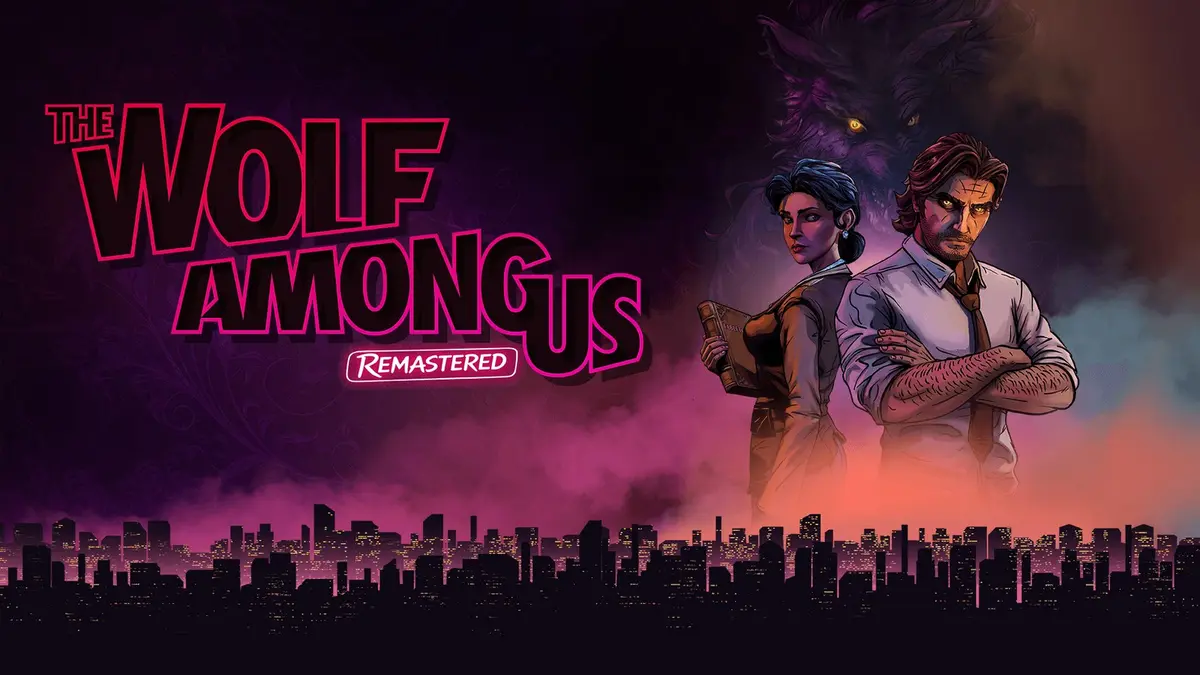
The Wolf Among Us Remastered arrives on 29 October, and Telltale has used the re-release to rebuild the game from its character models up rather than run the original through a filter. The date came with an interview on the PlayStation Blog, published on 1 October, in which game director Matt Saia walked through what the studio changed. The Steam listing for the remaster carries the same release date, with wishlisting already open.
What the remaster actually changes
The starting point was the engine. Telltale moved the project onto the version it used for its Batman series, then wrote new shaders for details that never held up, down to shiny bottles and the way lines invert on moving objects such as the ghost ship. Lighting turned out to be the biggest job: anything altered in a scene forced that scene to be relit, and by the end every scene in the game had been reworked. The story, the direction and the overall art style were left alone, which the studio describes as a deliberate decision.
Characters were not upscaled. Each one went through concept art, a high-end model and a final in-game model, with all textures and models remade at several times the detail of the original. Saia singles out Bigby's werewolf form as the piece that exceeded expectations: more feral and more powerful than the original, but still true to the game people remember.
Noir Mode switches the lights off
The remaster adds a Noir Mode, and Saia has form here: he added Shadows Mode to Telltale's Batman series. The Wolf Among Us takes it further, keeping a pure black-and-white film look instead of picking out highlights in colour, which changes how the neon-lit Fabletown scenes read.
Where it lands
The remaster launches on 29 October. The PlayStation Store listing is live for wishlisting, and the PC release is listed on Steam for the same day.
Our opinion
A remaster is usually a resolution bump and a marketing beat, so the interesting thing here is where the effort went. Relighting every scene in a decade-old adventure game is the unglamorous work that decides whether a return visit holds up, and rebuilding characters from concept rather than upscaling them is the expensive choice. Noir Mode is the part that could go either way: black and white suits a story about a fairy-tale detective in a corrupt city, but stripping colour from a game built around lurid neon risks flattening the very scenes the remaster spent its budget relighting. Leaving the writing and direction untouched is the right instinct, though. The parts of Wolf that aged badly were technical, not narrative.