Wardogs studio won't hire developers who decry crunch
Bulkhead's Joe Brammer says developers who object to crunch “often don't make it in the door”, and confirms the studio checks candidates' social media before hiring.
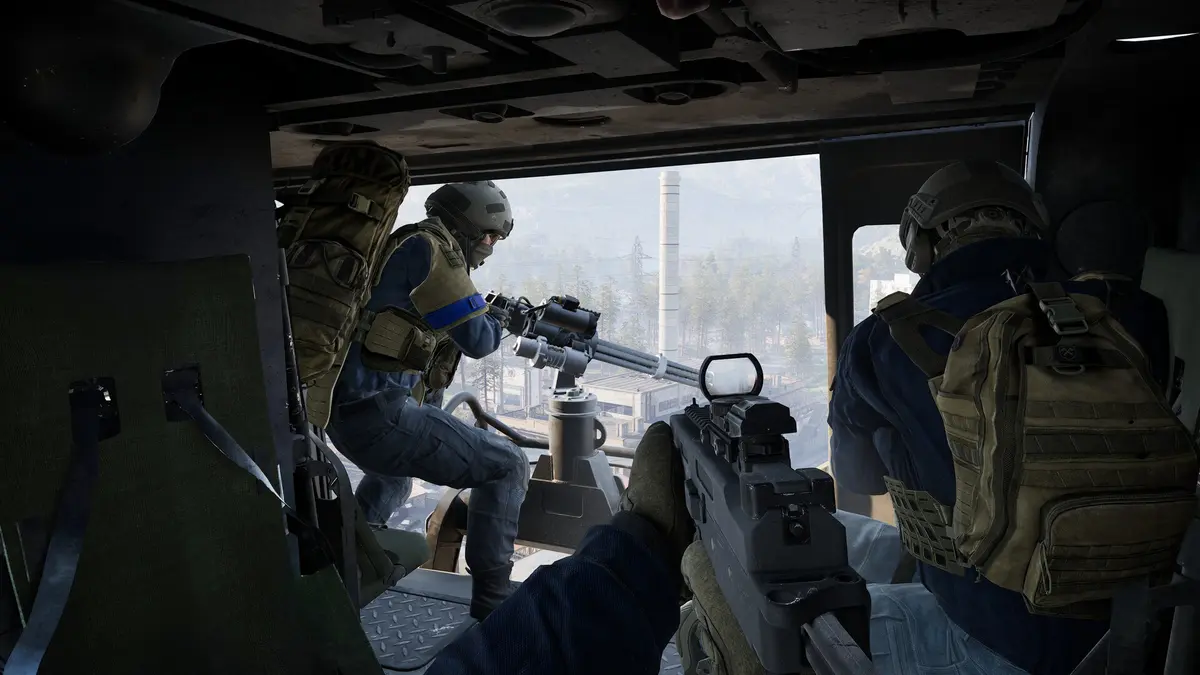
Wardogs has been one of the surprise hits of the year, but the studio behind it has spent the week defending how it treats the people who made it. Bulkhead chief executive Joe Brammer has told The Game Business that crunch happens at the British studio, that he does not hide it from recruits, and that developers who object to it publicly are unlikely to be hired.
What Brammer said
“A lot of people who may have an issue with crunch — rightly so, I understand that issue, we always try and avoid it, but we don't hide that this is going to happen at some point — they often don't make it in the door,” he said. He went further than most studio bosses when he confirmed how candidates are screened: “We check people's socials, and if you're constantly tweeting anti-crunch messaging: ‘This should never ever be a thing’, we know that and go, ‘Look, you're not going to be happy here, so we're not going to go with you’.”
He framed the arrangement as a trade: effort in, reward out. “We want to be known for that: this is a place you come to work hard. If you care about the work you're making and the result of what you make here, you'll feel really valued. If you don't, you will feel slave-driven.” Not everyone at Bulkhead owns shares or receives bonuses, he said, but those who do get a “life-changing” return, and he wants junior staff to be able to put money towards a house.
The studio Tencent walked away from
Bulkhead is best known for Battalion 1944, and Wardogs spent years as a Tencent-owned project planned on a much grander scale. When Tencent lost interest, Brammer warned his roughly 100-person team in December that redundancies were coming, and the studio was rescued by a deal involving investment group Hiro Capital and Everplay, the parent company of Team17. Wardogs arrived in Early Access on Steam on 10 September, sold a million copies in pre-orders alone, and has now passed two million. “We haven't had much time to celebrate,” Brammer said, citing DDoS attacks and “constant cheaters” as the problems that come with scale.
Crunch, and what happens next
Crunch — sustained unpaid or poorly compensated overtime — has been one of the most documented problems in game development for more than a decade, and Brammer's remarks drew immediate criticism from other developers. He has also described the latest stretch of Wardogs production in blunt terms: “For the last three months, Wardogs has been more important than a lot of [our team's] family lives. But now, Bulkhead and I have to acknowledge that it needs to go the other way.” The studio intends to give staff the whole of December off, and has told publishers it will not pull the console version forward, aiming for 2028 instead.
Our opinion
Brammer deserves some credit for saying out loud what many studios only admit after a report lands, and the December shutdown is a real concession rather than a press line. The hiring filter is the part that should trouble people. Refusing to employ someone who has publicly argued against crunch is not a culture fit test, it is a loyalty test, and it tells every junior in the studio exactly which opinions are safe to hold. The odd detail is the timing: a company that has just climbed back from the brink of redundancy, with 100 staff and two million sales behind it, has more leverage than almost any indie in Britain to simply stop the practice. Choosing to keep it is a decision, not a law of physics.