Ubisoft's Creative House 2 is now Massive Entertainment
Creative House 2 takes the Massive Entertainment name, with the Montreal, Paris, Sweden and Toronto teams now building three Tom Clancy series under one label.
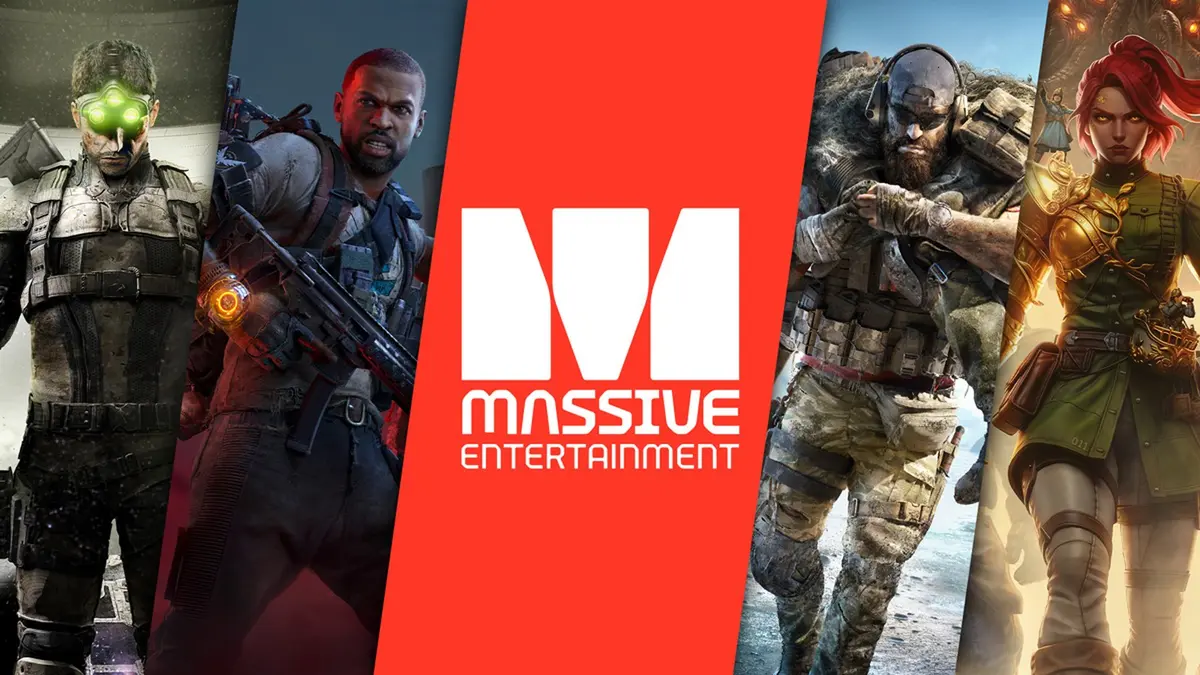
One label across four studios
Ubisoft's Creative House 2 is now called Massive Entertainment, and that single name now covers the studios in Montreal, Paris, Sweden and Toronto building Tom Clancy's The Division, Tom Clancy's Ghost Recon and Tom Clancy's Splinter Cell, plus the new original property March of Giants.
The studio announced the change on its own site on 30 September, and the development teams are already operating under the shared brand. Ubisoft still publishes and distributes everything the label makes.
Who now runs it
Christoph Hartmann was appointed general manager of Creative House 2 earlier this year and keeps the job, with the four city teams reporting into the same identity rather than separate studio names.
"Bringing our teams together under one identity gives us the opportunity to combine the creative energy and expertise across Montreal, Paris, Sweden and Toronto to shape the next generation of these iconic franchises, create new games and IPs, and push our craft and technology forward," Hartmann said.
What stays the same
Massive Entertainment remains part of Ubisoft, and the studio says there is no change to ongoing commitments for players or partners. The brand itself is not brand new: Massive has shipped games and technology from Sweden for close to three decades, and the label now carries that legacy across a much larger portfolio.
The lineup it inherits spans a live service shooter, a tactical military series that has been quiet for years and a stealth franchise that has been promised a remake, so the practical question is whether one label can push three very different projects at once.
Our opinion
Rebrands are cheap and games are not, so the real test of this consolidation is not the logo on a red banner but whether Splinter Cell finally leaves the shelf. The Division has a live audience to keep fed and Ghost Recon has a reputation to repair, which means the shared label buys coordination rather than extra capacity. If pooling four studios shortens the gaps between releases it will have been worth the reorganisation; if it simply formalises a structure that already existed, players will not notice anything except another announcement.