Forza Horizon 6 clarifies moderation after itasha ban row
Players in Japan have reported bans over anime-decorated itasha liveries in Forza Horizon 6. Turn 10 has now updated the Forza Code of Conduct to explain how reported designs are reviewed, and why report counts carry no weight.
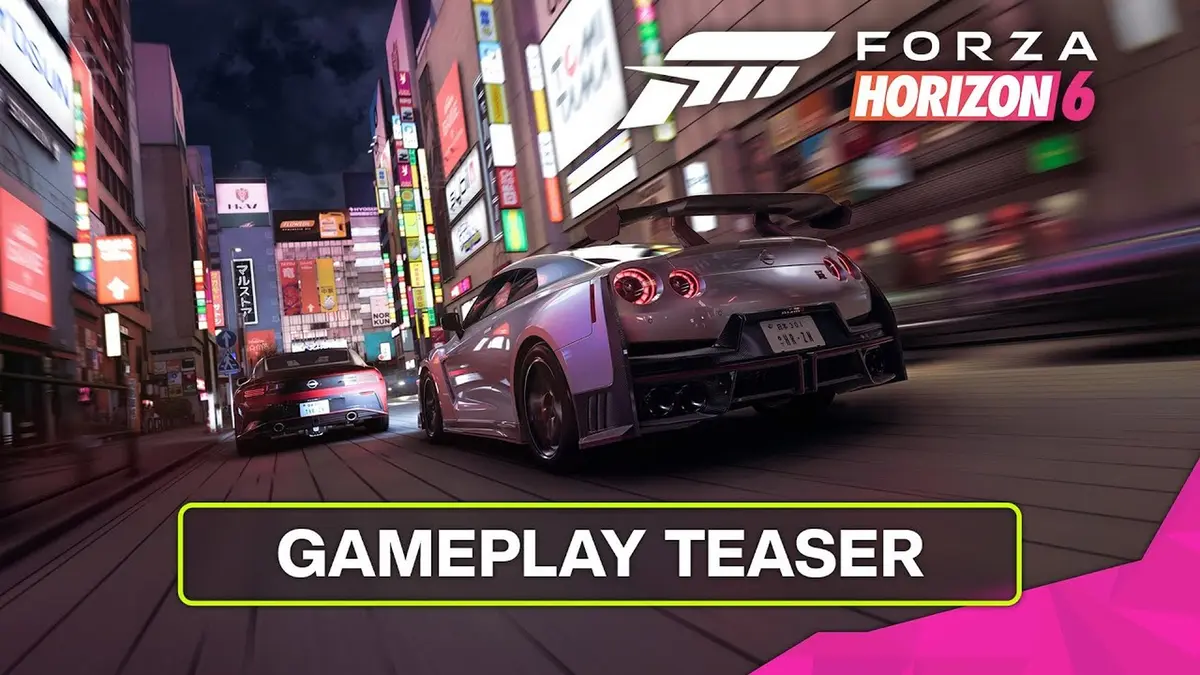
Forza Horizon 6 finally put the series in Japan, and its livery editor has always rewarded players who share the designs they paint, with in-game currency paid to the creator. Anime-decorated cars, known as itasha, were one of the most popular categories. In recent weeks, players in Japan have reported bans over those designs, well-known creators have withdrawn their work and the game's Steam page has collected a wave of negative reviews.
What Turn 10 has now said
On 24 September, Turn 10's support team published an update to the Forza Code of Conduct setting out how reported user-generated content is handled. Reported content is added to a queue for review by a human moderator, and the number of reports does not affect its priority or its position in that queue. Moderators then decide on the severity of a breach and on any past violations: a first breach produces a warning, and each later one lengthens the suspension.
The one flat penalty covers content the support team treats as zero tolerance, such as child sexual abuse material or explicit sexual content, which carries a permanent ban regardless of the account's history. The document also states that the moderation team assesses each item closely against a consistent checklist rather than counting complaints.
"Today we've published an update to our Forza Code of Conduct to provide additional clarity around the steps taken by a human moderator when reviewing User Generated Content (UGC) that has been reported by a player using the in-game reporting tools," the Forza Support account posted.
The row has not gone away
The update answers the suspicion that an organised reporting campaign was tripping an automatic ban, which spread through Japanese communities as creators pulled their designs. It does not settle the argument about the standard itself. Players have reported account bans, including hardware bans that lock a person out of the game entirely, over unreleased work-in-progress designs that were never shared, and designers argue the rules are now stricter than in earlier Forza games. Criticism has continued since the statement went up.
Our opinion
There is an irony worth naming here. The Horizon that finally made Japan its setting is the one whose moderation has alienated the people who paint Japanese anime characters onto its cars. Itasha is not a fringe interest in Japan; it is a car culture with decades of history behind it, and choosing Tokyo neon for the map invited exactly the designs now under scrutiny.
The published flow is a real answer to the mechanics question, and it is fair to credit Turn 10 for saying plainly that a person reviews reported content and that volume does not decide anything. But a human reviewer is a process, not a standard. Until the Code of Conduct says what a permissible itasha design actually looks like, and explains why unreleased personal work was actioned, Japanese players are still being asked to trust a judgement they cannot see.