Deadlock gets six new heroes in its City Never Sleeps update
Valve has rebuilt Deadlock's map as a haunted New York, added six heroes and rewritten the HUD — while the game itself stays invite-only.
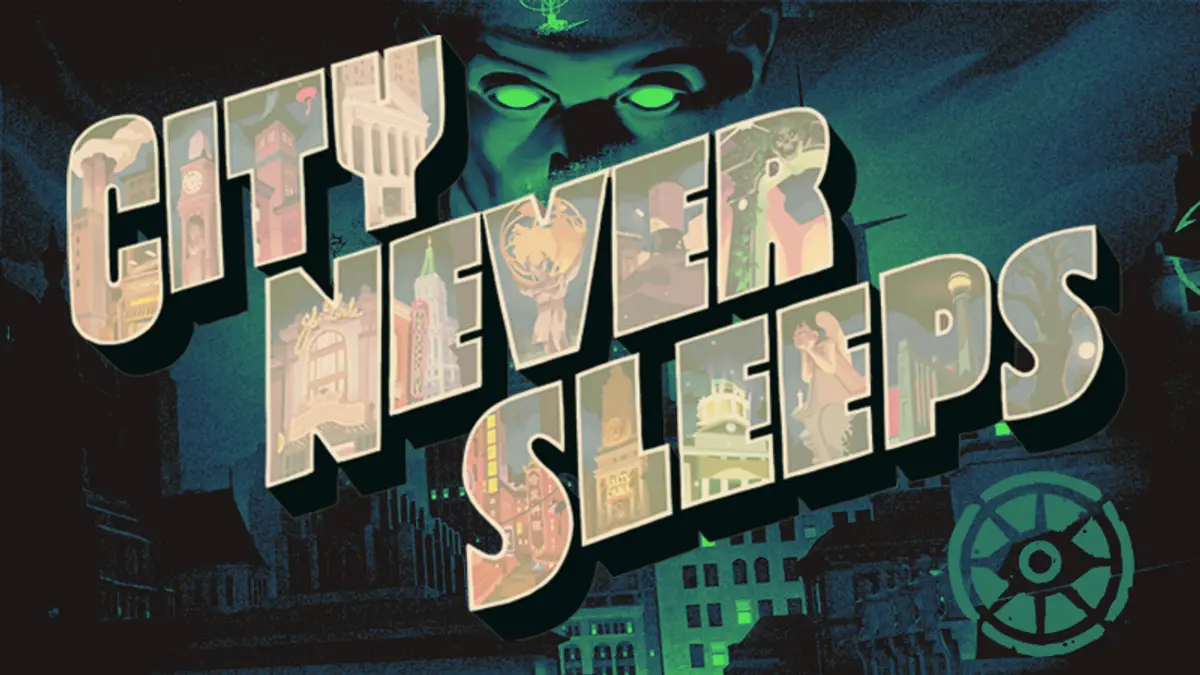
Valve shipped City Never Sleeps on 29 September, the biggest overhaul yet to Deadlock, its invite-only hero shooter crossed with a MOBA. The update rebuilds the game's map as a rain-slicked, distinctly haunted New York City, drops six new heroes into the roster and rewrites large parts of the interface — for a game you still cannot simply buy.
The map, known to players as the Cursed Apple, is now a stylised New York. Valve's own visitor's guide walks through districts built around hangouts that will be familiar to anyone who has spent a weekend in Manhattan: a 300-year-old tree it calls Hangman's Elm, a Wall Street where the warlocks ply their trade, and a docked vessel at Pier 16. The neutral creeps that used to pad out the lanes have been swapped for creatures with new behaviours, which changes how the early game plays far more than a coat of paint usually would.
Mechanically the headline addition is the Tough Crate: a new map objective that needs a Heavy Melee to crack open and pays out extra souls for the trouble. Valve has also hidden healing snacks around the city for players sharp-eyed enough to spot them, and added minimap labels for every lane and district so you can call a location without describing it.
The interface work is the most substantial since the game went public. There are rebuilt healthbars, a new combat-tracking panel for watching build-ups and durations, stamina tracking, and a much better shop: filters you can mix and match, improved search, and number-key navigation between shop tabs. The build browser gets instant previews and clipboard copy-paste, the minimap gets an expanded ping wheel, and pinging a cluster of enemies now calls out how many are hiding in it. Valve says it added more than 15,000 new and updated pings, plus a dedicated accessibility settings section covering visuals, audio and controls.
Audio got a similar pass. Pre-match conversations between heroes have gone from just over 700 lines to 1,500, Valve added 10,000-plus non-ping voice lines, and there is now an in-game dialogue player for browsing them. Under the hood the engine has moved to the latest version of Source 2, with new melee sound effects, fresh music tracks for deaths, respawns and killstreaks, and updated item art.
Six heroes, delivered two at a time
The new arrivals are Nurse Harrow, Deadman Danny, Baba, Solomon, Rat King and Violet. Valve is not releasing them together. Two heroes unlock per week on Tuesdays and Fridays at 2pm Pacific, and simply playing earns priority tokens that push your favourite further up the queue. Rat King is the one the wider press has latched onto, which tells you everything about how Valve names things.
Where the game still isn't
Valve paired the update with an unusually candid development note. Deadlock remains unfinished and limited to friend invites from its playtesters, and the studio says it has been working on several fronts at once rather than one headline feature: progression, hero and hideout customisation, plus item redesigns and alternate game modes that are still speculative and may never ship. Midboss, Guardians and Walkers are next in line, with hero remodels pencilled in for later. The note signs off with a reminder to vote — the in-client system for flagging behaviour and choosing what the community wants next.
Our opinion
For two years Deadlock has felt like a laboratory experiment that Valve occasionally opened a window on. City Never Sleeps is the first update that reads like a product. Giving a deliberately grim MOBA a psychic New York identity — sewer rumblings, ghosts in the water, a Wall Street full of warlocks — is a surprisingly confident piece of worldbuilding, and it gives the game something it badly lacked: a reason to look at it.
The staggered hero rollout is the part worth watching. Drip-feeding two heroes a week with a token system is live-service engagement engineering, and it is being bolted onto a game with no store page, no price and no release date. It spreads the content rush without a hype cliff, so it is smart — but it is also a queue, and Valve has spent a decade showing that queues eventually get a paid shortcut. If monetisation arrives before the game is buyable, the goodwill this update is buying will evaporate overnight. Until then, the only way in is a friend invite, and that remains the strangest thing about the whole project.