Steam hands its deals page to the algorithm in 2027
Valve is retiring the hand-curated calendar behind Steam's Discounts & Events section in early 2027 and letting personalised recommendations decide what players see instead.
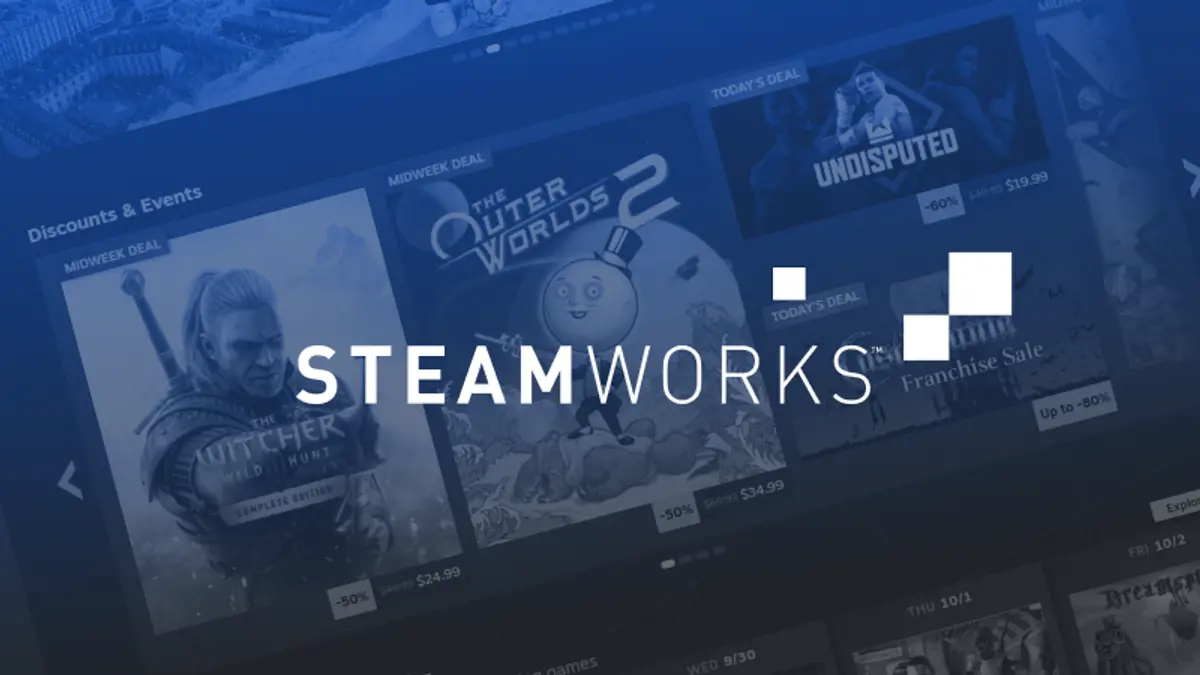
Valve has confirmed that Steam's Discounts & Events section will stop being a hand-curated shop window in early 2027 and start being a personalised one, with an algorithm deciding which discounted games and sale events each player sees. The company set out the plan in a Steamworks Development post published on Tuesday, 29 September.
What Valve actually announced
Steam's current promotional page is built from curated placements: slots are either scheduled directly by partners through Steamworks or picked by Valve's own Steam team, and the number of places is fixed and small. Valve says it intends to "move away from a manual calendar-based approach and into something more dynamic and personalized for each customer".
The pitch is arithmetic. Dropping the manual calendar, Valve argues, means more discounted games and sale events get a shot at the homepage and elsewhere on the store, instead of competing for a handful of fixed spaces that rotate in and out on a schedule.
Valve has also published the numbers from its quiet trial run. Over the past few months it replaced some curated spots with dynamic, personalised recommendations. According to the post, that let Steam show 10x more games to customers in that section on a given day, and produced "meaningful increases in store page visits, wishlists, and cart additions".
What it means for developers
The practical detail is still thin, and Valve is upfront that it is coming. The company says it has already paused scheduling curated placements, that anything partners have already booked will be honoured, and that more information on timing will arrive "in upcoming weeks". Early next year is the rough estimate for the curated calendar stopping altogether, and Valve has promised "new and updated tools" to help developers manage their discounts and sale events.
Valve frames the change as a favour to studios rather than a cut to their options. "Our goal is to let developers focus on crafting the most compelling games and deals for customers, and not spend time trying to convince someone at Valve to feature their products," the post reads.
Some developers have already noticed the shift. Simon Carless, founder of GameDiscoverCo and a former publisher of Game Developer, spotted in September that the titles surfaced on the Discounts and Events page looked more personalised, and called it "a good move to help the little guys, done quietly". Tim Bender, chief executive of the publisher Hooded Horse, described the change as taking a traffic source that was "non-existent for niche indies" and making it the best source of traffic in the entire store. Game Developer reports that Bender posted screenshots of an unnamed game drawing more than 7,000 visits from the page in a single month, against 7,355 across the previous six months.
Why the calendar mattered
For a small studio selling in pounds or euros, the old calendar was one of the few promotional levers that could be pulled by hand. A slot on the Discounts & Events page was predictable: you knew when your sale would run, you could build a patch, a bundle or a livestream around it, and you could tell your community exactly when to look. An algorithmic feed is bigger, but it is also opaque. The same placement can appear one day and vanish the next, and no one outside Valve can say precisely why.
Our opinion
Valve is selling this as the end of grovelling for attention, and there is real substance in that. A system where a small studio's best hope was getting a Steam employee to notice its sale was never a healthy one, and the figure Valve quotes, ten times more games shown in a single day, is exactly the sort of shelf expansion a fixed calendar cannot deliver. If the only complaint about the old regime was that it was small and arbitrary, this is an obvious improvement.
But more slots is not the same thing as your slot. Personalised recommendation means the games a player sees depend on what that player already plays, which is precisely how a niche title ends up invisible to the audience most likely to love it. The old calendar at least sold indies a plan they could build around; the new one sells them a lottery ticket and asks them to trust the machine. Valve has promised better tools for managing discounts and events, and those tools are now the whole argument. Give developers a way to see why their game is or is not being surfaced, and this is a genuine upgrade. Leave them guessing, and Valve will have swapped a bottleneck it controlled for a black box it controls.