Shinjuku Anomaly hands you a camera and four rules for the night
AMATA Games' short horror visual novel puts a night shift in Shinjuku behind a camera lens, and the film you are handed is the only thing standing between a clear shot and a close call.
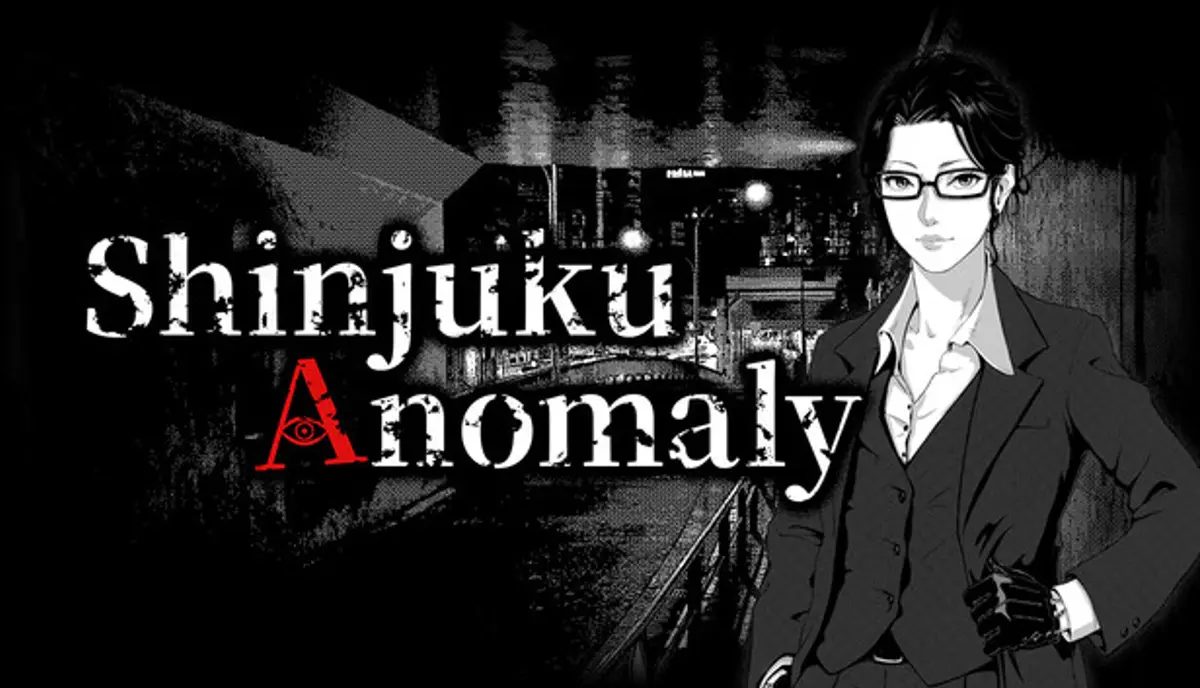
A part-time job photographing anomalies in Shinjuku after dark is the whole premise of Shinjuku Anomaly, the short horror visual novel AMATA Games has listed for release on Steam on 29 September. It is a Windows game from a studio publishing its own work, and the store listing has not yet flipped to a purchasable page, so there is no price to report.
Four rules and one roll of film
The store page sets out the job in four instructions. If you see an anomaly, photograph it. Get close enough for the picture to be clear. Do not get too close. Return to the agency once the film is used up. That last line reframes everything before it, because the film is a budget: every anomaly you want a sharper shot of is a frame you will not have when you decide you have seen enough.
Steam files it under adventure and indie with multiple endings, full controller support, Steam Achievements, Steam Cloud and Family Sharing. Interface and subtitles cover English, Japanese, Simplified Chinese and Traditional Chinese. AMATA Games is both developer and publisher, and the listing carries the usual fiction disclaimer that any resemblance to real people, incidents or organisations is coincidental.
What the listing leaves open
There is no price, no play time estimate and no count of endings on the page, and no trailer on the store listing as it stands today. A rules-driven horror short is well-worn ground: the instructions double as the tutorial, and the game's real subject tends to be the moment that following them stops being comfortable. Everything here comes from the store page itself, and the page remains the place to watch for the release to flip.
Our opinion
The risk in Shinjuku Anomaly is not the camera, it is the arithmetic. Photography horror usually treats the lens as a way of looking and then lets you shoot as freely as you like; handing the player a finite roll turns looking into spending, and spending into a judgement about how much certainty a picture is worth. Whether that lands depends on whether the rules stay honest when the player tests them. If "do not get too close" turns out to be an invisible wall with a prompt attached, the fear collapses into admin. Four lines of instruction are enough to build a good short around, and equally enough to expose a game with nothing underneath them, and a page carrying no price, no runtime and no trailer gives us no way to tell which one this is yet.