Hello, Peach! and Hello, Luigi! are Nintendo's newest My Mario apps
Nintendo has released Hello, Peach! and Hello, Luigi! as free downloads for Nintendo Switch and Switch 2, stretching the My Mario line of toddler-facing face-play apps to four entries.
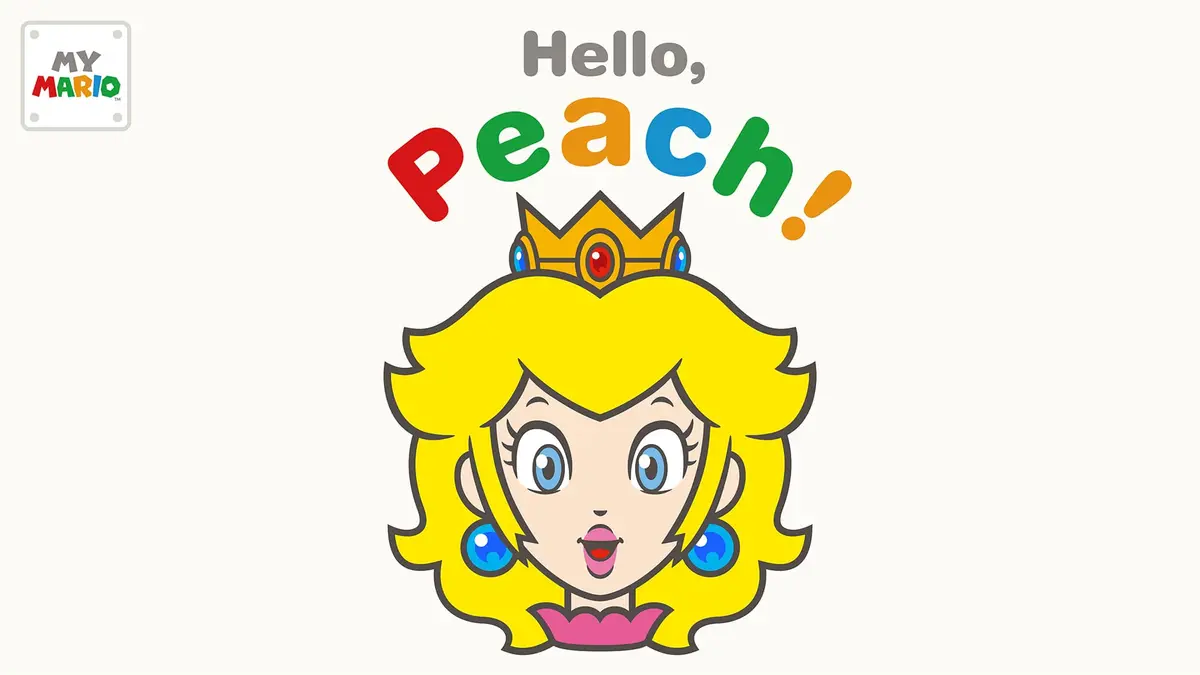
Nintendo has released Hello, Peach! and Hello, Luigi!, the two newest apps in its My Mario line, for Nintendo Switch and Nintendo Switch 2. Both carry a 5 October release date on the Nintendo Store and are listed as available now, arriving free through the Nintendo eShop.
What the two apps actually do
Neither is a game in any traditional sense. Children pull and stretch Peach's or Luigi's face on the touchscreen, poke and spin the character around, and open a ? Block menu that drops Super Mushrooms, Super Stars, pipes and the occasional enemy into the scene. The leftmost icon in that menu starts a game of Peekaboo, with Boo free to put in a guest appearance, while a Built-In Breaks mode sends the character to sleep after a while. Each download is small: 200 MB on the original Switch and 215 MB for Peach or 214 MB for Luigi on Switch 2, with handheld play as the only listed mode.
Where they sit in the My Mario line
Hello, Mario! arrived in February and Hello, Yoshi! followed in April, and both of those are already on the Switch eShop alongside their App Store and Google Play versions. The My Mario hub now lists the Peach and Luigi apps as available too, and Nintendo notes that the character blocks sold with the My Mario wooden block sets double as amiibo figures: tap one on a Switch or Switch 2 while an app is running and that character appears on screen.
Our opinion
A free download that quietly nudges a family towards a wooden block set is a sharper commercial move than it first looks. Nintendo has spent a decade treating the Switch touchscreen as a fallback for games that could not manage buttons, and the My Mario apps are the rare case where the touchscreen is the entire point: a two-year-old can stretch Peach's face long before they can hold a controller. Tying the line back to physical toys, with blocks that behave exactly like amiibo, keeps the youngest audience attached to dedicated hardware instead of drifting to a phone. Seven months on from Hello, Mario!, expanding the range rather than replacing it suggests Nintendo has found the audience it was aiming for.