Heart Machine lays off nearly everyone after its publisher walks away
Heart Machine has lost nearly its entire team after an unnamed publisher cancelled the unannounced game it was funding, with founder Alx Preston saying the studio's survival is now in doubt.
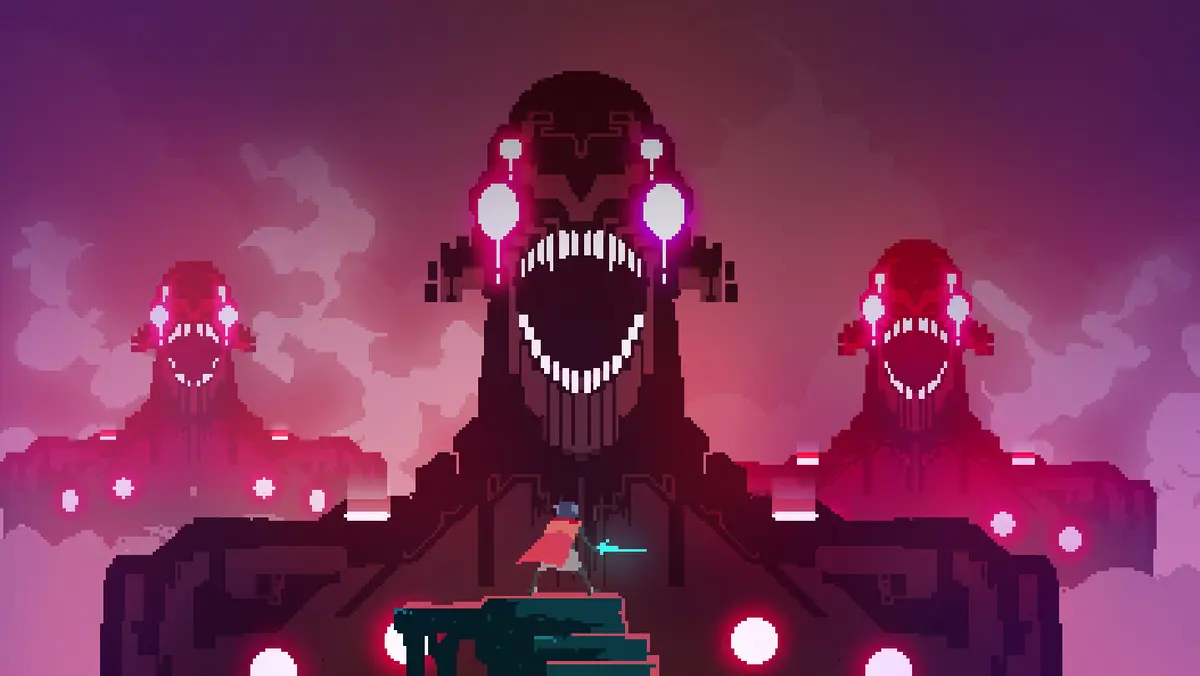
Heart Machine, the Los Angeles studio behind Hyper Light Drifter and Solar Ash, has laid off nearly all of its staff after the publisher funding its next game pulled out. Founder Alx Preston broke the news himself in a post on LinkedIn dated 16 September, and he did not dress it up: the studio has no other income lined up, and he is not sure it survives.
What Preston actually said
According to his statement, the studio had been working on an unannounced title paid for by a publisher, and that publisher decided this week not to move forward with it. Without that income, and with no other immediate prospects or funds, “nearly everyone at the studio had to be laid off”. He called it devastating and said his priority now is supporting the people affected, including helping them find new work. On the studio's future he was blunt: navigating an increasingly challenging industry has been extremely difficult, and he is not yet sure what is next for Heart Machine to survive.
Why this one lands hard
Hyper Light Drifter arrived in 2016 off the back of a crowdfunding campaign and became one of the defining indie games of its decade: wordless, pixel-drawn and built around a drifter carrying a sword and a cough he cannot shake. Solar Ash followed in 2021 and reframed that world in three dimensions. Hyper Light Breaker took the studio into co-op rogue-like territory when it entered Early Access in January 2025, and the side-scrolling Possessor(s) arrived last November. That is a studio with a recognisable voice and three separate games on sale, not a contractor with one client.
It is also not the first round of cuts here. Heart Machine trimmed staff in 2024 as Hyper Light Breaker headed into Early Access, and cut again in October 2025 in the run-up to Possessor(s). Both of those were survivable. Losing the funding for an entire unannounced game is a different order of problem, because it removes the money that pays for the next one.
Our opinion
Studio closures keep getting filed under “a challenging industry”, a phrase that does a great deal of quiet work for everyone who is not being laid off. What happened at Heart Machine is more specific, and more useful as a warning. A mid-sized studio with a cult hit behind it, a game in Early Access, and another shipped ten months ago still could not absorb one publisher changing its mind about a project nobody had even seen. That is not a studio that got lazy or read its market wrong; it is a financing model in which a single decision removes eleven years of work in an afternoon. Heart Machine has spent a decade making games about small, fragile things refusing to give up. It deserves better than to end up as the example everyone cites when they explain why that is not possible.