Dredge studio Black Salt Games spins up Team Trifold
The Christchurch studio behind Dredge has opened a second team and a shared publishing arm, and it is paying for their first game out of the takings from a very big fish.
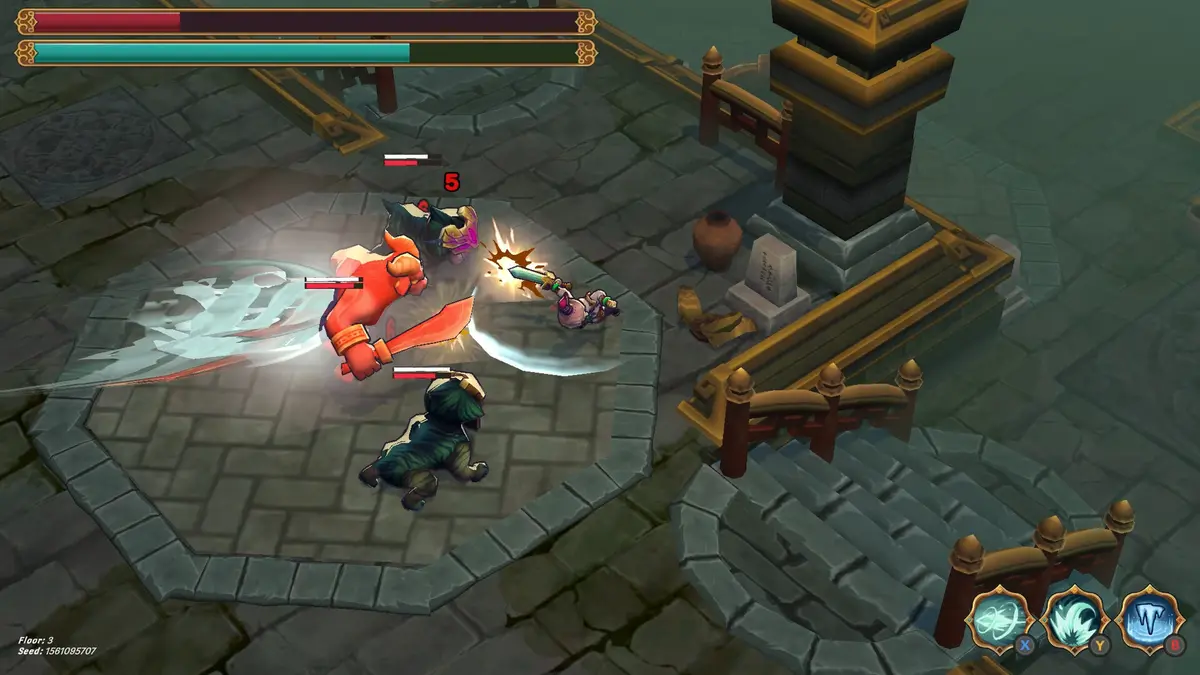
Black Salt Games has quietly become a small group. The Christchurch studio behind Dredge confirmed on 18 September that it has launched a second development team, Team Trifold, alongside Saltworks Entertainment, a white-label publishing arm that will work for all of its studios.
Saltworks is the interesting half of the announcement. It brings production, marketing, quality assurance, localisation, audio, business operations and publishing under one roof for three New Zealand teams: Team Trifold, Black Salt Games itself and Disc 2 Games, the fellow Christchurch indie. All three sit in the same building and all three stay creatively independent, which is the arrangement most indie studios say they want and few actually build.
Team Trifold is three people with long résumés rather than three founders with a pitch deck: Jed Uy on art and writing, Wilson Teo on production and QA, and Carl Johnson as the programmer. Black Salt Games is funding and publishing their debut, Nothing Lost, out of the Dredge money, with an assist from New Zealand's Game Development Sector Rebate.
What Nothing Lost actually is
Nothing Lost is a generational action-roguelike that treats dying as the point rather than the punishment. Team Trifold describes it as a multiplicative death-based crafting system, where each death strengthens the next hero and their abilities stack, and Uy has credited Shaman King with teaching him that life after death is where the fun lives. The game has a Steam page, full controller support and a release date that is still just the words to be announced.
Nadia Thorne, Black Salt Games' executive producer, framed the whole move as an exercise in staying small on purpose. Small teams making ambitious indie games that do not need the latest hardware, she said, can be a really resilient model for the next five years, which is why the three studios are sharing experience and infrastructure instead of merging.
Our opinion
New Zealand's rebate scheme has been doing a lot of quiet lifting: studios supported by it grew combined revenue 17% to $829 million, and Black Salt is using it exactly as intended, as runway for a second creative bet rather than as a subsidy for the same game forever. Building a publisher for your own studios is the more unusual decision. It is effectively an indie going vertical, and it means Saltworks' first real test is not Nothing Lost's review scores but whether Disc 2 Games gets a better launch than it would have managed alone.
The roguelike shelf is brutally crowded, and a death-as-progression hook is a design idea rather than a marketing one, which is fine by us. But this is the sort of studio structure that keeps people employed when a single game underperforms, and after a year of indie closures, that is worth more than another announcement trailer.